Ann Arbor top home remodeling contractor for Residential Remodeling
Ann Arbor top home remodeling contractor for Residential Remodeling
Blog Article
Home Remodeling: Convert Your Space Into Your Desired Home
Home remodeling provides a essential guide practical method to improving both function and visual appeal in living spaces. It allows homeowners to personalize their spaces and potentially increase property value. However, achieving the desired results requires thorough planning and adherence to a budget. Understanding design styles and choosing the right contractors are essential steps in this process. As homeowners start this journey, they must think about what they truly wish to achieve. The path ahead holds several significant factors to explore.
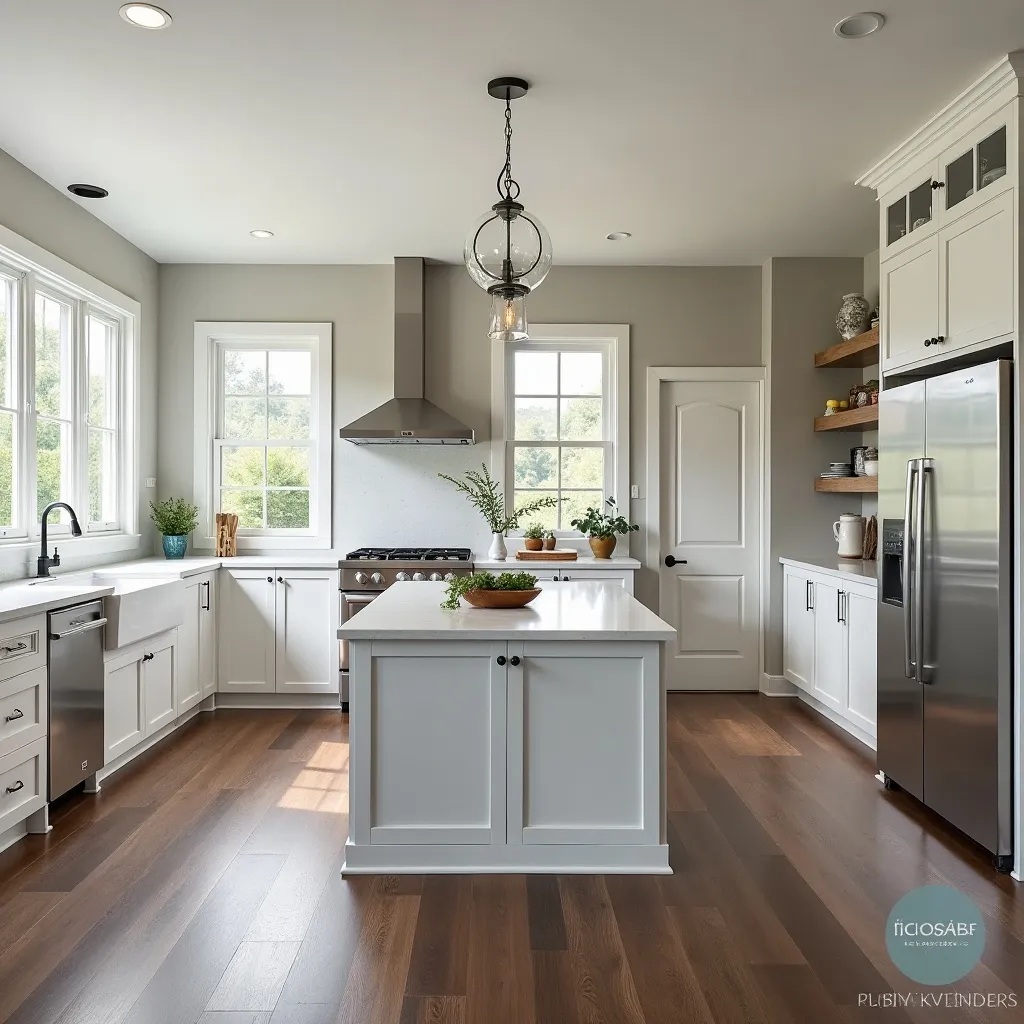
What Do You Want to Achieve With Your Home Remodeling?
What objectives does one have in mind when starting on a home remodeling project? People often seek to improve functionality, improve aesthetics, or increase property value. Some may desire a more open layout to encourage social interactions, while others aim to establish a tranquil retreat within their home. Specific objectives can include updating outdated spaces, incorporating energy-efficient elements, or expanding living areas to accommodate growing families.
In addition, a homeowner might want to customize their environment to mirror their style and wants, creating it a true representation of themselves. Safety and accessibility can also represent notable considerations, particularly for those with aging family members or limitations. In the end, the goals of a renovation endeavor serve as the foundation for decision-making, directing determinations in design, finishes, and complete performance. Understanding these aspirations is vital for achieving a successful renovation that meets both practical needs and personal desires.
How to Budget for Your Home Renovation Project
Budgeting for a home remodeling project requires careful planning and consideration. It is crucial to determine an total budget, rank essential improvements, and account for unexpected costs that may occur. By approaching the budgeting process systematically, homeowners can accomplish their goals without monetary strain.
Set Your Aggregate Budget
Before undertaking a home remodeling project, it is imperative to ascertain an overall budget that aligns with both financial constraints and remodeling goals. Homeowners should begin by assessing their finances to understand how much they can realistically allocate for the project. This includes examining savings, income, and feasible financing options. It is also wise to account for unexpected expenses, typically 10-20% of the total budget, to manage unforeseen issues that may come up during renovation. Additionally, property owners should research the costs associated with various materials and labor in their area, making possible informed decisions. By creating a clear budget, homeowners can maintain focus on their remodeling goals and avoid the stress of overspending.
Prioritize Essential Upgrades
Once the financial plan is firmly established, homeowners can begin identifying which upgrades offer the greatest value and practicality for their home. To prioritize essential upgrades, homeowners must examine areas needing immediate repair, like outdated plumbing or electrical wiring, which may cause safety hazards. Kitchen and bathroom renovations typically offer high returns on investment; consequently, allocating funds toward modernizing these areas is often wise. In addition, increasing energy efficiency with better windows, insulation, or appliances can reduce costs over time. Homeowners must also take into account lifestyle needs, including designing open spaces for family gatherings or specific work areas. By strategically selecting upgrades that align with both immediate needs and future plans, homeowners can maximize their remodeling impact while staying within budget.
Factor In Surprising Expenditures
Planning ahead for unforeseen expenses is essential for homeowners starting on a remodeling project. Financial plans can grow tight when unforeseen issues surface, such as structural damage, outdated wiring, or hidden water damage. Experts recommend reserving an extra 10 to 20 % of the total budget to cover these contingencies. Property owners should also think about possible cost variations in supplies and workmanship. Investigating area contractors and getting several quotes can deliver a better understanding of expected expenses. Additionally, keeping open communication with contractors throughout the project helps identify and address problems promptly. By proactively accounting for these unforeseen expenses, property owners can ensure that their remodeling project remains on schedule, ultimately transforming their home without budget stress.
Which Design Styles Suit Your Home Makeover?
Throughout the world of home remodeling, design styles represent an essential component in molding the overall aesthetic. Homeowners can settle on from a spectrum of selections, including modern minimalist aesthetics, cozy rustic charm, and elegant traditional touches. Each design choice lends its own special character, impacting both the atmosphere and function of the space.
Contemporary Streamlined Visual Style
Minimalist aesthetics deliver an invigorating approach for residential redesign, defined by simplicity and practical purpose. This design style focuses on unobstructed areas, clean lines, and a limited color palette, typically incorporating soft colors that promote a sense of calm. Furnishings and accessories are intentionally chosen, creating an organized setting that improves overall harmony. Natural substances, such as wood and stone, regularly play a significant capacity, introducing warmth while sustaining a sleek look. Lighting is carefully planned, frequently incorporating large windows to maximize natural light. Within a contemporary minimalist home, every element fulfills a purpose, contributing to a cohesive aesthetic that exemplifies the homeowner's principles of clarity and productivity. This design invites tranquility, making it ideal for modern living.
Inviting Rustic Charm
Embracing the core of warmth and coziness, cozy rustic charm stands as a popular choice for homeowners seeking a more inviting atmosphere. This decor approach often includes natural materials, such as reclaimed wood, stone, and soft textiles, producing an natural feel. Earthy color palettes—consider warm browns, soft greens, and muted reds—enhance the bond to nature.
Key aspects include visible timber, substantial furnishings, and retro ornaments, which inspire a sense of the past. Fireplaces act as main attractions, gathering families together in a comfortable atmosphere. Additionally, mixing modern amenities with traditional touches gives utility without losing charm. Overall, cozy rustic charm turns spaces into serene hideaways, making it an desirable alternative for those wanting to introduce their homes with warmth and personality.
Polished Time-honored Flourishes
While many homeowners strive for relaxation through country designs, others see appeal in the refined style of traditional styles. This design concept emphasizes classic elements such as exquisite trims, classic furnishings, and rich color palettes. Traditional spaces often exhibit symmetrical layouts and structured designs, creating a sense of balance and grace. Incorporating antique or retro pieces can enhance authenticity, while luxurious fabrics like silk and velvet add depth and surface interest. Architectural details, such as tray ceilings and wood paneling, contribute to an overall sense of grandeur. Homeowners embracing this style often favor warm, comfortable spaces that reflect their heritage or personal history, rendering traditional design a lasting choice for those wishing to evoke a sense of sophistication in their remodeled homes.
Methods to Locate the Correct Companies for Your Home Remodeling?
Determining the right specialists for home remodeling can profoundly affect the effectiveness of a endeavor. Homeowners should commence by researching local contractors and checking their qualifications, including licenses and liability coverage. Reading digital feedback and gathering endorsements from friends or family can furnish pertinent information into a contractor's track record.
Next, it's essential to speak with several prospects to gauge their ability to communicate and professionalism. Homeowners should request comprehensive quotes and timelines to ensure transparency. A good builder should be prepared to respond to inquiries and offer a clear understanding of the project scope.
Additionally, examining completed projects or portfolios can help homeowners appraise a contractor's style and proficiency of work. Finally, faith and mutual understanding are paramount; a contractor's temperament and willingness to team up can considerably determine the renovation experience. By adopting these steps, homeowners can make sound determinations that align with their vision for their dream home.
What Crucial Pointers Do You Need for a Successful Home Renovation?
How can homeowners guarantee a successful home renovation project? Initially, establishing a clear vision is crucial. Homeowners should outline their goals and preferences, ensuring all parties comprehend the desired outcome. Next, setting a practical budget helps mitigate unforeseen expenses. It is essential to include a contingency fund for unexpected complications.
Effective dialogue with contractors is vital; house owners must convey their needs and expectations clearly. Frequent communications and property visits can facilitate this interaction. Additionally, researching products and trends will enable house owners to make knowledgeable choices, weighing aesthetics and practicality.
To conclude, securing necessary licenses guarantees compliance with local laws, preventing future issues. By following these recommendations, homeowners can navigate the challenges of renovation, ultimately transforming their area into a dream residence.
How to Care for Your Recently Updated Home?
Homeowners who have spent effort and money in a home overhaul should focus on ongoing maintenance to maintain their freshly renovated space. Regular cleaning is vital; applying appropriate products to multiple materials will prevent damage and degradation. For example, hardwood floors require special cleaners that maintain the finish, while countertops may need specific treatments to stop stains.
Moreover, homeowners should perform routine seasonal assessments to address any issues early. This involves checking for leaks, caring for HVAC systems, and ensuring outdoor drainage is operating properly. Routine upkeep of appliances and fixtures will also extend their lifespan.
Furthermore, it is prudent to establish a maintenance timetable, specifying tasks such as touching up paint or renewing sealant on surfaces when required. By investing time in these routines, homeowners can maintain the beauty and practicality of their remodeled spaces, ultimately enhancing their property’s value and comfort for the coming years.
Regularly Questioned FAQs
What Timeframe Should You Expect for a Typical Home Renovation Project?
A conventional home remodeling project may consume anywhere from a few weeks to several months, depending on the scope, sophistication, and proportions of the remodel. Each project differs depending on individual demands and unforeseen difficulties.
Which Permits Do You Require for Home Remodeling?
Typically, licenses required for residential renovation comprise building, electrical, plumbing, and mechanical permits. Local codes may change, so it's essential for homeowners to speak with their municipality to ensure adherence with all necessary requirements and guidelines.
How Might I Decrease Interruptions While Home Renovation?
To reduce disruptions during remodeling, one can establish open dialogue with contractors, determine specific work hours, assign a separate living area, and keep a tidy workspace. Advance planning helps ensure a smoother remodeling process.
What Frequent Mistakes Should You Avoid During Renovation Projects?
Key errors to eliminate during remodeling comprise underestimating financial plans, neglecting permits, cutting corners on adequate planning, choosing the unsuitable materials, ignoring project deadlines, and failing to communicate effectively with project professionals, which can produce costly delays and poor results.
What's the Ideal Method to Deal With Sudden Costs While Renovating?
To address unexpected expenses during remodeling, one should maintain a contingency fund, talk openly with builders, focus on necessary improvements, and remain adaptable in choices. This approach assists with managing finances and minimizes anxiety throughout the process.
Report this page